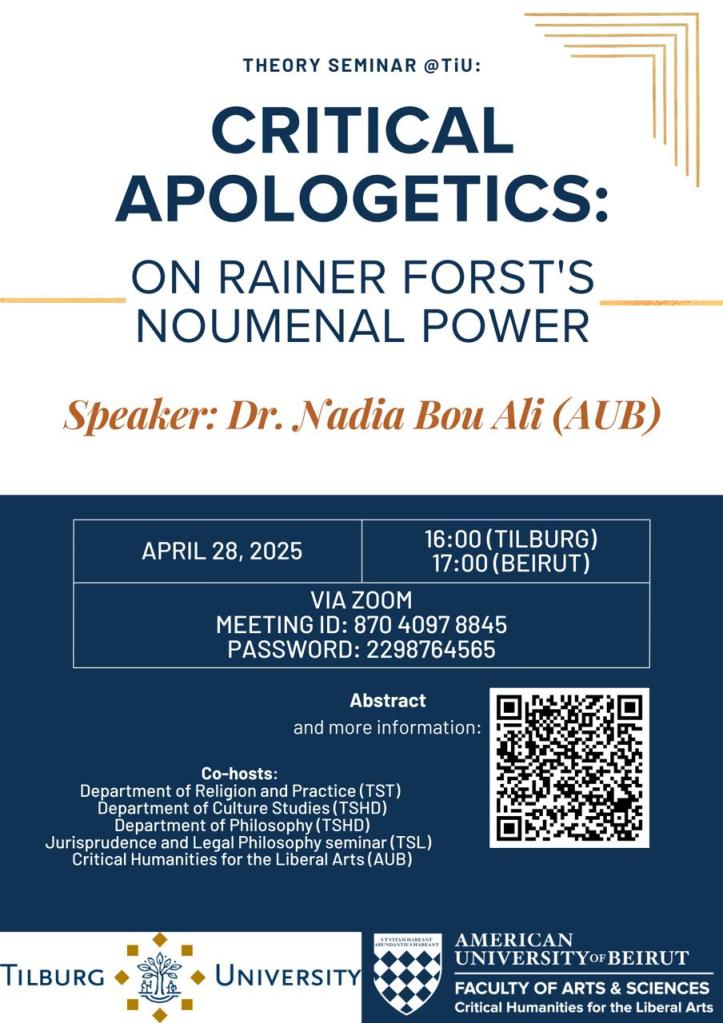
Nadia Bou Ali at Tilburg University: Critical Apologetics: On Rainer Forst’s Noumenal Power

Monday April 28 2025 | 16:00 (Tilburg) 17:00 (Beirut) | Online

Zoom Link
Meeting ID: 870 4097 8845
Password: 2298764565

Abstract:
Rainer Forst’s theory of justification synchronizes a neo-Kantian and neo-Idealist analysis that has culminated in an undeclared synthesis of Habermas and Foucault. As we all know, the debate between Habermas and Foucault never really happened, perhaps precisely because they would have had more to agree on then not. In Forst’s work, following Habermas and Foucault, rationality and power are indissociable: the skepticism about progress aligns itself with the unstoppable progress of capitalist modernity. Communicative rationality is supplemented by a Foucauldian account of the pathologies of power. This theoretical synthesis purports that domination is only discursively resolved through the institutions of capitalist liberalism. A theory of normativity becomes a theory for the justification of powerful ideologies: violence is at the core of systems of justification and legality, we cannot disavow it, and avowing it entails a commitment to turning critique into the task of distinguishing between violence and non-violence, a violence that can be justified and a non-violence that is justifiable. The talk is concerned with the state of critical theory in this historical conjuncture. 

Speaker:
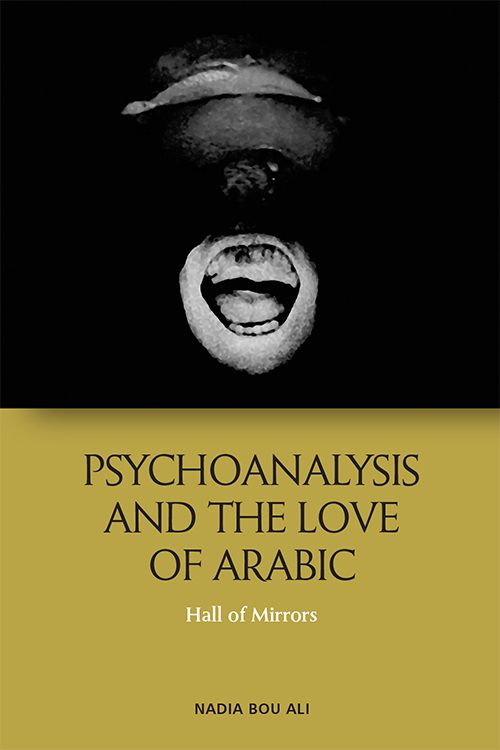
Nadia Bou Ali is Associate Professor and director of the Critical Humanities Program for the Liberal Arts at the American University of Beirut. She is the co-editor of Lacan contra Foucault: Subjectivity, Sex and Politics (Bloomsbury, 2018), Extimacy: Encounters Between Psychoanalysis and Philosophy (Northwestern UP, 2024), and the author of Hall of Mirrors: Psychoanalysis and the Love of Arabic (Edinburgh UP, 2020). She is co-editor of the book series Psychoanalytic Acts (Edinburgh UP). Her forthcoming book is entitled Structure and Form (Verso, 2026). Her works have been translated into French, Spanish, and Arabic.


The seminar will be moderated by Michiel Bot (Tilburg University)

An essay by the same title has been rececntly published on Historical Materialism’s blog.

Talk by Sami Khatib: Singularity Effects: Undoing History from Above

Thursday 14 December 2023 | 6:30pm GMT

Fredric Jameson argued that the postmodern singularity effect is not limited to art or the art market but is also derived from the trajectories of contemporary financial capitalism (2015). Today, the main effect of the political mobilization of singularity as “a pure present without a past or a future” can be found in the creation of abstract dehistoricized spaces, accessible to capital investment and bio- or necropolitical population management. Space and the technologies of spatial control do not simply decontextualize places; they aim at undoing history. They rely on a singularity effect that severs current struggles from history and the negativity of unredeemed struggles. This talk aims at unpacking this singularity effect in light of the attacks of Oct 7, 2023, and Israel’s war on Gaza, examining techniques by which the negativity of history as a site of struggle is substituted by a necropolitical management of space.

Tickets: **SOLD OUT**
https://www.eventbrite.co.uk/e/sami-khatib-singularity-effects-undoing-history-from-above-tickets-771793052797

Senate House, University of London,
Room 104 Malet St London WC1E 7HU United Kingdom

For any inquiries or to book (in the event tickets sell out here), please email: Lilly.Markaki@rhul.ac.uk

Book talk by Nadia Bou Ali: Psychoanalysis and the Love of Arabic

Thursday June 29 2023 | Barzakh Bookshop & Café | 7:30pm

Nadia Bou Ali will be joined by poet and scholar Mohammed Nassereddine to read and discuss extracts from his Arab translation of her 2019 book, Psychoanalysis and the Love of Arabic. The book is an ambitious attempt to reorient debates around Arab culture and global modernity in relation to psychoanalysis, capitalism, and universality. It offers the first psychoanalytic reading of 19th-century works written during the nahda movement by Ahmad Faris Shidyaq (1805–87) and Butrus al-Bustani (1819–83), showing how their writing forged a curious relationship between language and politics – a relation driven by a desire for as well as anxiety about modernity.

The readings will be followed by a conversation with the audience and book signing.

The discussion will be in both English and Arabic.

Barzakh welcomes wheelchair users.

This event is organized by the Beirut Institute for Critical Analysis and Research (BICAR) for the 2023 Summer School, Is There a Revolutionary Subject?

The discussion will take place in English and Arabic

ينضم إلى نادية بو علي الشاعر والباحث محمد ناصر الدين لقراءة ومناقشة مقتطفات من ترجمته العربية لكتابها الذي صدر عام 2019، التحليل النفسي وحب اللغة العربية. الكتاب محاولة طموحة لإعادة توجيه النقاشات حول الثقافة العربية والحداثة العالمية بعلاقتهما بالتحليل النفسي والرأسمالية والكونية. يقدم الكتاب أول قراءة تحليلية نفسية لأعمال النهضة في القرن التاسع عشر التي كتبها أحمد فارس الشدياق (1805-1887) وبطرس البستاني (1819-1883)، موضحاً كيف شكلت كتاباتهما علاقة غريبة بين اللغة والسياسة – علاقة مدفوعة بالرغبة للحداثة وقلقها

ويلي القراءات نقاش مع الحضور وتوقيع للكتاب

ستكون المناقشة باللغتين الإنجليزية والعربية

يرحب برزخ بالمقعدين

ينظم هذه الندوة معهد بيروت للتحليل النقدي والبحوث للمدرسة الصيفية لعام 2023، هل يوجد ذات ثورية؟

Facebook event: https://fb.me/e/3KFr40lp4

Public talk by Natasha Gasparian: Asychronocity and the New Sensibility: Realism in the Palestinian Revolution (1967-1982)

Asychronicity and the New Sensibility: Realism in the Palestinian Revolution (1967-1982)

Wednesday 28 June 2023 | Barzakh Bookshop & Café | 6pm

In this talk, Natasha Gasparian will review the postcolonial and decolonial reception of avant-garde historiography to reconsider the definitions operative in the rejection of the category. Positing the asynchronicity of avant-gardes as a constitutive, but historically overdetermined, feature of capitalist modernity, she aims to recover the political valence of the term and argue for its continued relevance for emancipatory struggles worldwide, notably here the ongoing struggle for the liberation of Palestine, which previously comprised a distinct movement known as the Palestinian Revolution (1967-1982).

Natasha Gasparian is an art historian and curator who works primarily on modern and contemporary art in the Arabic-speaking world. Supported by the Arts and Humanities Research Council and St John’s College, she is pursuing a DPhil in Contemporary Art History and Theory at the Ruskin School of Art, University of Oxford. Her criticism has appeared in Artforum, Camera Austria, and Texte Zur Kunst. She is the author of Commitment in the Artistic Practice of Aref El-Rayess: The Changing of Horses (2020). Recent curatorial projects include “Je suis inculte !” an exhibition of the Sursock Museum’s permanent collection, co-curated with Ziad Kiblawi. Natasha is a member of the Beirut Institute for Critical Analysis and Research (BICAR) and she is currently a doctoral research fellow at the Orient-Institut in Beirut.

This screening is organized by the Beirut Institute for Critical Analysis and Research (BICAR) in collaboration with the Orient-Institut Beirut for the 2023 Summer School, Is There a Revolutionary Subject? For more information, please visit https://bicarlebanon.org/summerschool/.

The discussion will take place in English.

Talk by Sarah El Bulbeisi (OIB): Palestinians in Central Europe: De-subjectification and revolutionary subjectivation in the context of colonial/racializing violence

Monday 26 June 2023 | 6pm Beirut Time | Online

Registration link:
https://forms.gle/XycJLmaZUG6ETchG7

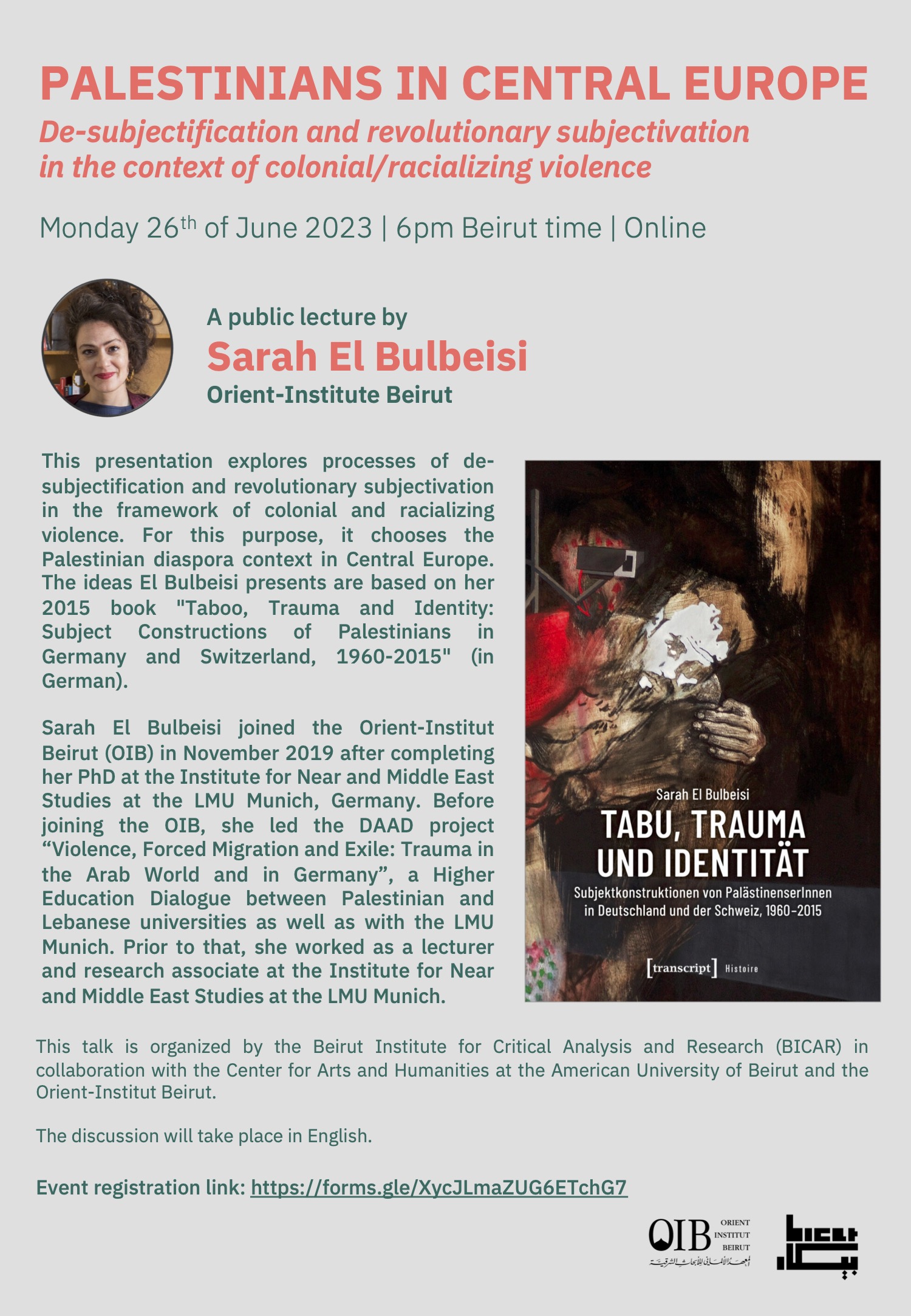
This presentation explores processes of de-subjectification and revolutionary subjectivation in the framework of colonial and racializing violence. For this purpose, it chooses the Palestinian diaspora context in Central Europe. The ideas El Bulbeisi presents are based on her 2015 book “Taboo, Trauma and Identity: Subject Constructions of Palestinians in Germany and Switzerland, 1960-2015” (in German).

Sarah El Bulbeisi joined the Orient-Institut Beirut (OIB) in November 2019 after completing her PhD at the Institute for Near and Middle East Studies at the LMU Munich, Germany. Before joining the OIB, she led the DAAD project “Violence, Forced Migration and Exile: Trauma in the Arab World and in Germany”, a Higher Education Dialogue between Palestinian and Lebanese universities as well as with the LMU Munich. Prior to that, she worked as a lecturer and research associate at the Institute for Near and Middle East Studies at the LMU Munich.

This talk is organized by the Beirut Institute for Critical Analysis and Research (BICAR) in collaboration with the Center for Arts and Humanities at the American University of Beirut and the Orient-Institut Beirut.

The discussion will take place in English.

الفلسطينيون في أوروبا الوسطى: نزع الخضوع وتشكّل الذات الثورية في سياق العنف الاستعماري / العنصري

يستكشف هذا العرض عمليات نزع الخضوع وتشكل الذات الثورية في إطار العنف الاستعماري والعنصري. لهذا الغرض اختير سياق الشتات الفلسطيني في أوروبا الوسطى. تستند الأفكار التي تقدمها سارة البلبيسي إلى كتابها الصادر عام 2015 بعنوان المحرم والصدمة والهوية: تركيبات الذات للفلسطينيين في ألمانيا وسويسرا، 1960-2015 (باللغة الألمانية)

انضمت سارة البلبيسي إلى المعهد الألماني للأبحاث الشرقية في نوفمبر 2019 بعد حصولها على درجة الدكتوراه في معهد دراسات الشرق الأدنى والأوسط في في ميونيخ، ألمانيا. قبل انضمامها إلى المعهد الألماني ، قادت مشروع العنف والهجرة القسرية والنفي: الصدمة في العالم العربي وفي ألمانيا، وهو حوار التعليم العالي بين الجامعات الفلسطينية واللبنانية وكذلك مع في ميونيخ. قبل ذلك، عملت كمحاضرة وباحثة مشاركة في معهد دراسات الشرق الأدنى والأوسط في ميونيخ

ستجرى المناقشة باللغة الإنجليزية

Facebook event:
https://fb.me/e/3wm5rpqeI

The Ends of Analysis: Book talks with Gabriel Tupinambá and Mohamed Tal

Wednesday June 21, 2023
7pm Beirut time

Joining the 2023 BICAR Summer School virtually, psychoanalysts Gabriel Tupinambá and Mohamed Tal will briefly introduce their recent books, the former’s The Desire of Psychoanalysis: Exercises in Lacanian Thinking (2021) and the latter’s The End of Analysis: Dialectics of Symbolic and Real before entering into a discussion with Nadia Bou Ali about the broader threads of the limits and challenges of psychoanalysis. What is the political import of psychoanalysis in a moment of rampant fantasies of the end (of the world)?

Mohamed Tal is a clinical psychologist and psychoanalyst. He had a private practice in Beirut from 2009 until 2022, when he moved to Dubai to practice. He is an affiliate of the Rome Institute and a member of the Beirut Institute for Critical Analysis and Research (BICAR). Dr Tal has worked as a psychotherapist with humanitarian organizations in the Middle East, including Doctors Without Borders, WarChild Holland, Handicap International, and Deutsche Gesellschaft für Internationale Zusammenarbeit. He also taught a seminar on “the Real” at the École Libanaise de Psychanalyse from 2018 to 2021.

Gabriel Tupinambá is a philosopher and psychoanalyst working from Rio de Janeiro. He is the Head of Social Strategy at the Alameda institute (www.alameda.institute) and a member of the research collective Subset for Theoretical Practice (www.theoreticalpractice.com). He is the author of The Desire of Psychoanalysis (NUP, 2021), and co-author of the book An Architecture of Edges: The Lefts in Times of World Peripheralization (Autonomia Literária, 2022) and Hegel, Lacan, Žižek (Altropos Press, 2013).

The discussion will take place in English

This event is organized by the Beirut Institute for Critical Analysis and Research (BICAR) for the 2023 Summer School, Is There a Revolutionary Subject? For more information, please visit https://bicarlebanon.org/summerschool/

To attend, please join us here:
https://us06web.zoom.us/j/86434297902
Password: BICAR

Alternative link: https://meet.jit.si/BICAR

Facebook event: https://fb.me/e/34V7ZNFCQ

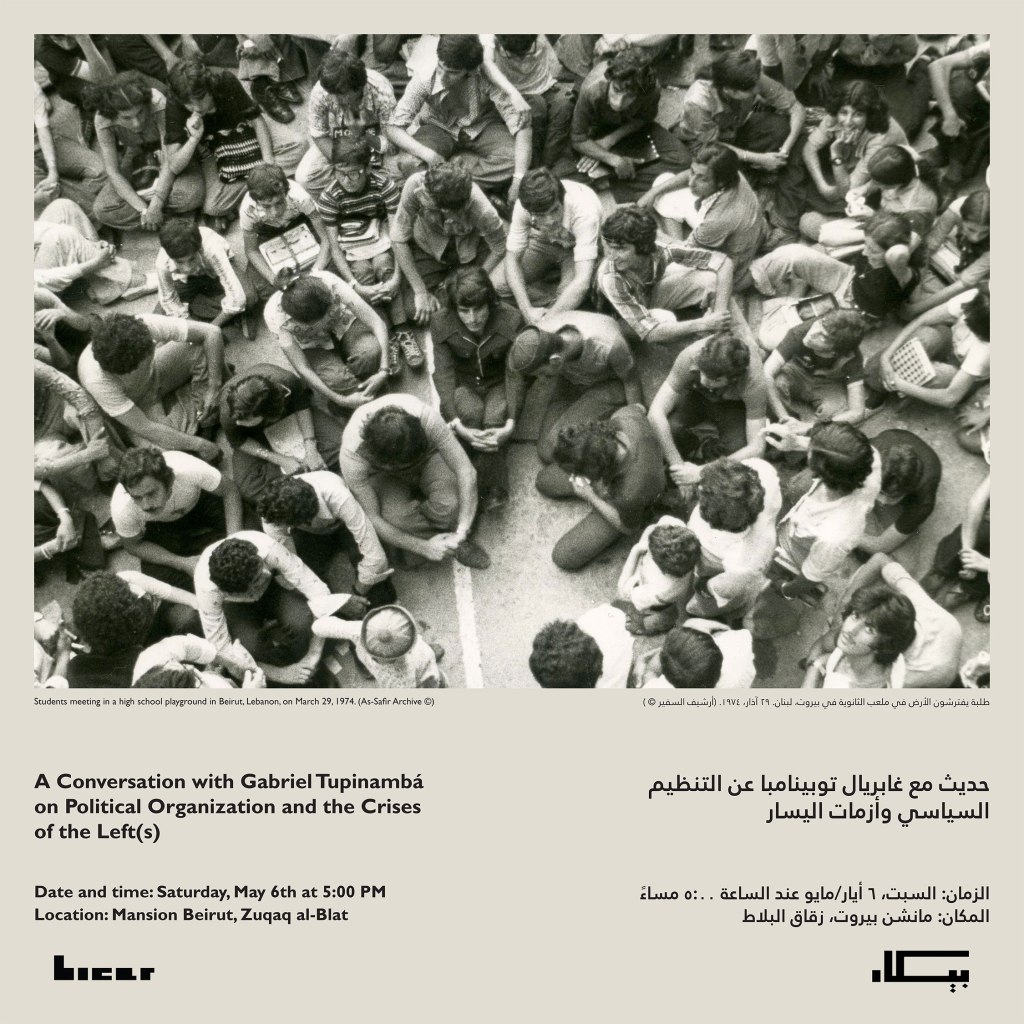
A Conversation with Gabriel Tupinambá on Political Organization and the Crises of the Left(s) – حديث مع غابريال توبينامبا عن التنظيم السياسي وأزمات اليسار


English below

يسرّ بيكار، معهد بيروت للتحليل النقدي والبحوث، أن يدعو المنظِّمات/ين السياسيات/ين، العمال، والطلبة للمشاركة بالاستبحار في خيالنا السياسي الجمعي من خلال حوار مفتوح حول التنظيم النضالي، مآزق التحرر السياسي، وأزمات اليسار. سنستضيف المتحدث غابريال توبينامبا الذي سيتناول الأزمات التي يتخبط بها اليسار البرازيلي والمشاكل الذاتية مع التنظيم السياسي

ستحدث المناقشة يوم السادس من أيار/مايو، عند الساعة الخامسة مساءً في مانشن بيروت، زقاق البلاط

غابريال توبينامبا فيلسوف ومحلل نفسي يعمل من ريو دي جانيرو. يشغل منصب رئيس الاستراتيجية الاجتماعية في معهد ألاميدا، كما أنه عضو في المجموعة البحثية فرع الممارسة النظرية. صدر له ”رغبة التحليل النفسي“، و ”هيغل، لاكان، جيجك“، كما شارك في كتابة: عمارة الحواف: اليُسُر في أزمنة التطريف

الصورة: طلبة يفترشون الأرض في ملعب الثانوية في بيروت، لبنان. ٢٩ آذار، ١٩٧٤. (أرشيف السفير ©️)

Beirut Institute for Critical Analysis and Research (BICAR) is delighted to invite leftist organizers, workers and students to participate in expanding our collective political imagination through an open dialogue around the question of militant organization, impasses of political emancipation and the crises of the left(s). As our guest speaker, Gabriel Tupinambá will address the crises of the Brazilian left and the subjective problems that arise in political organization.

The discussion will take place on May 6th at 5:00 PM in Mansion Beirut, Zuqaq Al-Blat.

Gabriel Tupinambá is a philosopher and psychoanalyst working from Rio de Janeiro. He is the Head of Social Strategy at the Alameda institute (www.alameda.institute) and a member of the research collective Subset for Theoretical Practice (www.theoreticalpractice.com). He is the author of The Desire of Psychoanalysis (NUP, 2021), and co-author of the book An Architecture of Edges: The Lefts in Times of World Peripheralization (Autonomia Literária, 2022) and Hegel, Lacan, Žižek (Altropos Press, 2013).

Photograph: Students meeting in a high school playground in Beirut, Lebanon, on March 29, 1974. (As-Safir Archive ©️)

Facebook event: https://fb.me/e/2IDWQBumy

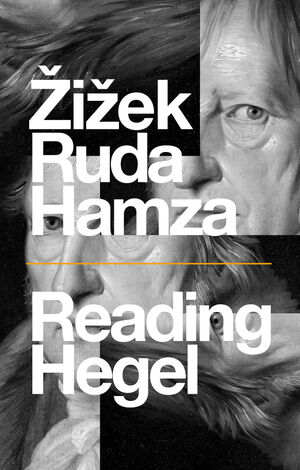
Book talk by Frank Ruda: Reading Hegel

Tuesday June 7 2022 | Barzakh Bookshop & Café | 6pm

Frank Ruda, one of the volume’s editors, is launching Reading Hegel (Polity Books) in the presence of. This event will be held in English and is open to the public.

A spirit is haunting contemporary thought – the spirit of Hegel. All the powers of academia have entered into a holy alliance to exorcize this spirit: Vitalists and Eschatologists, Transcendental Pragmatists and Speculative Realists, Historical Materialists and even ‘liberal Hegelians’.

Which of these groups has not been denounced as metaphysically Hegelian by its opponents? And which has not hurled back the branding reproach of Hegelian metaphysics in its turn? Progressives, liberals and reactionaries alike receive this condemnation.

In light of this situation, it is high time that true Hegelians should openly admit their allegiance and, without obfuscation, express the importance and validity of Hegelianism to the contemporary intellectual scene.

To this end, a small group of Hegelians of different nationalities have assembled to sketch the following book – a book which addresses a number of pressing issues that a contemporary reading of Hegel allows a new perspective on: our relation to the future, our relation to nature and our relation to the absolute.

Dr. Frank Ruda is Senior Lecturer in Philosophy at the University of Dundee. He is the author of Abolishing Freedom: A Plea for a Contemporary Use of Fatalism (Nebraska University Press 2015); For Badiou: Idealism without Idealism (Northwestern University Press 2015) and Hegel’s Rabble: An Investigation into Hegel’s Philosophy of Right (Continuum 2011).

This event is organized by the Beirut Institute for Critical Analysis and Research (BICAR) for the 2022 Summer School, Critique and the Desire of Modernity.
For more information, please visit https://bicarlebanon.org/summerschool/

Lecture by Frank Ruda: On the concept of prehistory, if it is one?

Monday June 6 2022 | 2pm

Capitalism seems to have changed everything. It established a fundamentally new form of organising social relations and from its conception nothing – and perhaps not even nothing – remained the same. These are assumptions that have been often attributed to Marx (and Marxists), even by Marxists. Yet Marx explicitly identified capitalist political economy as a prehistoric formation. This puts pressure on the concept of prehistory, if it is one. This talk will attempt to deal with this pressure by returning to Marx.

Dr. Frank Ruda is Senior Lecturer in Philosophy at the University of Dundee. He is the author of Abolishing Freedom: A Plea for a Contemporary Use of Fatalism (Nebraska University Press 2015); For Badiou: Idealism without Idealism (Northwestern University Press 2015) and Hegel’s Rabble: An Investigation into Hegel’s Philosophy of Right (Continuum 2011).

This event is organized by the Beirut Institute for Critical Analysis and Research (BICAR) for the 2022 Summer School, Critique and the Desire of Modernity.
For more information, please visit https://bicarlebanon.org/summerschool/

قراءة في الدين العام اللبناني مع محمد زبيب

يقدم الصحافي الاقتصادي محمد زبيب في هذه الحوار مداخلة عن المديونية العامة والخاصة كآلية من آليات إعادة توزيع الدخل والثورة في لبنان خلال العقود الماضية.

النقاش جزء من سلسلة مناقشات «بيكار» عن النيوليبرالية، الطائفية، والشعوبية. في ضوء الأحداث التاريخية الجارية حاليًا في لبنان، تعقد «بيكار» سلسلة من المحادثات تهدف إلى تحليل المؤثرات الاجتماعية والسياسية في الوقت الحاضر. الهدف هو فهم البنية السياسية والطبقية اللبنانية من أجل التغلب عليها، ولأن ما يجري هنا يمكن فهمه كجزء من تمرد شعبوي عالمي ضد السياسات الاقتصادية النيوليبرالية.

الدعوة عامة
المداخلة ٤٥ دقيقة تليها ساعة من النقاش

الجمعة، ١٥ تشرين التاني ٢٠١٩، الساعة ٤:٣٠
مزيان